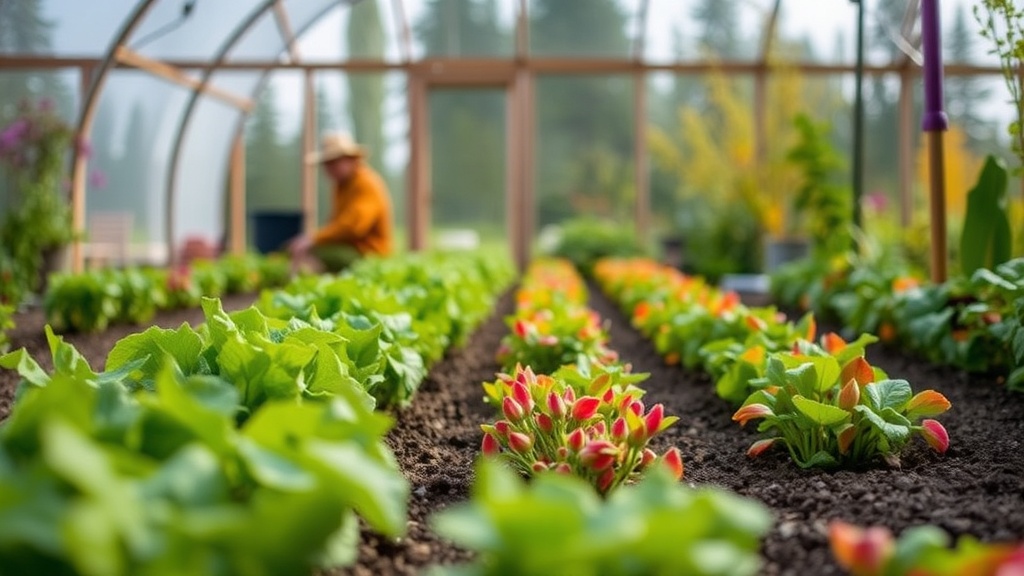
Building a High-Yield Garden in Prince Albert’s Boreal Transition Zone

Dealing with the Reality of a Saskatchewan Spring
Picture this: It is the last week of May. You have spent forty dollars on starter plants from the local greenhouse, tucked them into the soil on a Saturday afternoon, and woken up Sunday morning to a 'killing frost' warning from Environment Canada. The leaves are black, the stems are mush, and your weekend work is basically compost. This happens all the time in Prince Albert because we live in what scientists call the Boreal Transition Zone. It is a fancy way of saying our weather is unpredictable and our soil is difficult. This guide covers how to stop fighting against our local climate and start working with it so you can actually fill your freezer by September.
Living here means accepting that the rules for gardening in Ontario or British Columbia do not apply to us. We are dealing with a short, intense growing season and soil that often feels more like pottery clay than garden earth. If you want a productive backyard, you have to be tactical. It is not just about putting seeds in a hole; it is about timing, soil chemistry, and picking varieties that can handle a random frost in June or a heatwave in July. Let's look at how to set up a garden that survives our specific conditions without making you lose your mind in the process.
How do I prepare Prince Albert garden soil for planting?
Our local soil is famous for being heavy, grey wood-zone clay. When it is wet, it sticks to your boots like glue. When it is dry, it cracks and becomes as hard as a sidewalk. You cannot just till this and expect results. You have to break that structure down with organic matter. I am talking about rotted manure, compost, or peat moss. Do not make the mistake of adding sand to clay soil—you will end up creating something remarkably similar to cement. Instead, focus on adding as much organic material as you can find. Local farmers often have aged manure they are happy to get rid of, and it is the best thing you can put in your ground.
Testing your pH is another step people often skip. Most soil around here leans toward the alkaline side, which can lock up nutrients and stop your plants from growing. You can pick up a simple test kit at any hardware store in town. If your soil is too alkaline, adding elemental sulfur or peat moss can help bring it back to a neutral level. It is a slow process—it takes months for these changes to really take hold—so it is better to start this in the fall rather than the week before you plant. Once you get the texture right, the heavy clay actually becomes an advantage because it holds onto moisture and nutrients better than sandy soils ever could.
The Power of Raised Beds
If your backyard is particularly prone to flooding or if you are dealing with packed-down earth from years of neglect, raised beds are your best friend. They allow the soil to warm up much faster in the spring—sometimes as much as two weeks earlier than the ground—which is a huge deal when our season is so short. Build them out of untreated cedar or even just mounded earth if you are on a budget. The key is to fill them with a mix of topsoil, compost, and vermiculite to ensure they stay loose and airy. This prevents the 'compaction' issues that plague so many Prince Albert gardens.
What is the best time to start seeds in Saskatchewan?
In Prince Albert, we are generally considered Hardiness Zone 3a. This means our average last frost date is somewhere around June 1st, though I have seen it snow on the graduation parades in mid-June before. If you follow the instructions on most seed packets, they will tell you to plant 'as soon as the soil can be worked.' In PA, that is a trap. Just because you can dig a hole does not mean the ground is warm enough for seeds to germinate. If you put corn or beans in the ground in early May, they will likely just rot before they ever sprout.
Instead, use a staggered approach. Cold-hardy crops like peas, radishes, spinach, and onions can go in the ground as soon as the snow is gone and the mud has dried out a bit (usually early May). Everything else—tomatoes, peppers, cucumbers, and squash—must stay indoors or in a greenhouse until the first week of June. I always tell people to wait for the June long weekend to be safe. It feels late, and you will see people in southern provinces posting photos of their blooming gardens, but our long summer days (we get almost 17 hours of daylight in June) will help your plants catch up fast once they are in the heat.
Indoor Starting Dates
To get a head start, you need to be starting your seeds indoors under lights. A sunny window is rarely enough in March and April because the light is too weak and the draft from the glass is too cold. Here is a rough schedule that works for our region:
- Mid-March: Peppers, celery, and slow-growing herbs like parsley.
- Early April: Tomatoes, broccoli, cauliflower, and cabbage.
- Late April: Pumpkins, squash, and cucumbers (these do not like their roots disturbed, so use peat pots).
- May: Start hardening them off by taking them outside for an hour a day, slowly increasing the time.
If you miss these windows, do not panic. Our local greenhouses—places like Lantz’s or the various seasonal pop-ups—do a great job of starting these for you. Just be prepared to pay a premium for their hard work and heating bills.
Which plants thrive in the Prince Albert growing season?
You have to be realistic about what will actually ripen here. If a seed packet says '120 days to maturity,' put it back. We have about 100 to 110 frost-free days on a good year. Look for 'short season' or 'sub-arctic' varieties. These have been bred specifically to grow fast and handle cooler night temperatures. Tomatoes like the 'Manitoba' or 'Prairie Pride' varieties are staples here for a reason—they actually turn red before the snow flies. For peppers, look for 'King of the North' or similar types that do not mind the cooler Saskatchewan evenings.
Root vegetables are the undisputed kings of the Prince Albert garden. Carrots, potatoes, beets, and parsnips absolutely love our soil and our climate. In fact, the cool nights actually help concentrate the sugars in carrots, making them taste much sweeter than anything you can buy at the grocery store. Potatoes are especially successful here; our heavy soil holds enough moisture that you rarely have to water them once they are established, and the yields can be massive if you hilling them properly.
| Crop Type | Best Varieties for PA | Planting Method |
|---|---|---|
| Potatoes | Norland, Yukon Gold | Direct sow mid-May |
| Carrots | Nantes, Danvers Half Long | Direct sow early May |
| Tomatoes | Manitoba, Early Girl | Transplant early June |
| Greens | Spinach, Kale, Chard | Direct sow as soon as soil is workable |
| Beans | Provider, Blue Lake | Direct sow late May |
Do not bother with long-season watermelons or exotic eggplants unless you have a heated greenhouse. You are just asking for heartbreak. Stick to the basics, and if you want to experiment, try something like Haskap berries or Sour Cherries—the