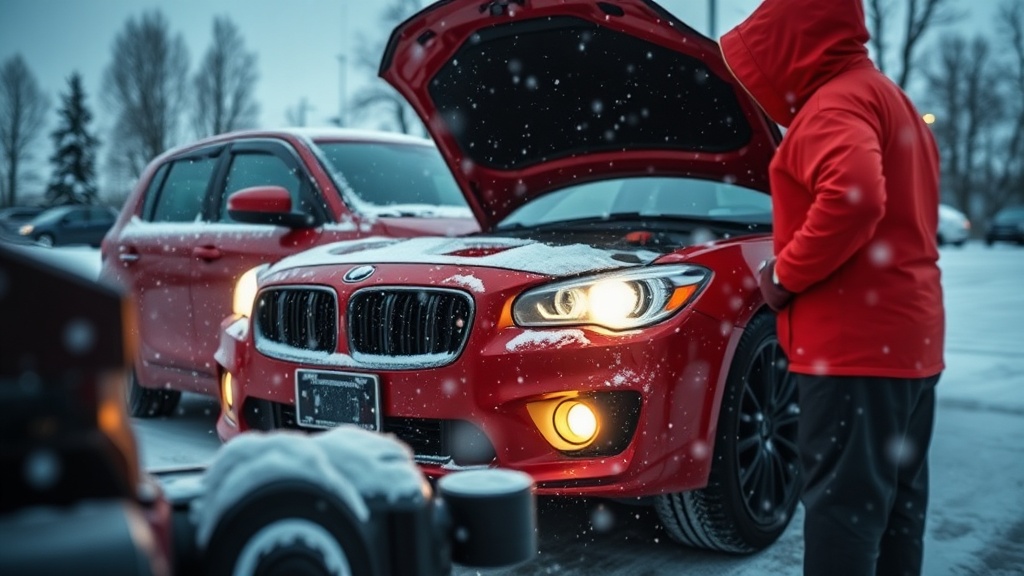
How to Keep Your Vehicle Running Smoothly Through Prince Albert's Harsh Winter Months

Prince Albert drivers face an average of 176 days below freezing each year — that's nearly six months of conditions that punish batteries, thicken oil, and turn morning commutes into mechanical Russian roulette. When the North Saskatchewan River Valley traps cold air and temperatures plummet past -30°C, vehicles that were perfectly fine in October become stranded liabilities by January. This guide covers the specific steps Prince Albert residents need to take to protect their vehicles through our brutal prairie winters — not generic advice from California, but real solutions for our city's unique freeze-thaw cycles, gravel roads, and extended cold snaps.
Why Do Prince Albert Vehicles Suffer More Than Those in Warmer Cities?
Our geographic position in the boreal transition zone creates perfect conditions for automotive torture. Prince Albert sits where the aspen parkland meets the boreal forest, creating temperature inversions that pool bitter cold in the river valley while surrounding areas stay relatively mild. Your car parked on 15th Street East experiences different stress than one on the west flat — and both suffer more than vehicles in Regina or Saskatoon due to our specific topography.
Batteries lose roughly 35% of their cranking power at -18°C, and by the time we hit typical January lows of -25°C to -35°C, a battery that tested "fine" in autumn becomes a coin flip for starting reliability. The Saskatchewan Government Insurance reports that battery-related service calls spike 340% during Prince Albert's coldest weeks compared to summer months. Combine this with our city's extensive gravel road network — maintained by the municipality through winter rather than paved — and you have a recipe for accelerated wear on every vehicle system.
Local mechanic shops along Central Avenue and Marquis Road see predictable patterns: alternator failures peak in February, starter motor replacements cluster in January, and tire-related incidents spike during our infamous freeze-thaw cycles when pavement heaves create wheel-bending potholes overnight. Understanding these patterns lets you address problems before they strand you outside the Alfred Jenkins Field House at 6 AM or leave you wrestling with a dead battery in the Victoria Square parking lot.
What Specific Maintenance Should Prince Albert Drivers Complete Before Winter?
October maintenance in Prince Albert isn't optional — it's survival preparation. Start with your battery: have it load-tested at a local shop (several along 2nd Avenue West offer free testing) and replace it if it's more than three years old, regardless of apparent health. Our cold snaps kill batteries that would survive milder winters elsewhere. Upgrade to a battery with higher cold cranking amps (CCA) than your vehicle's minimum specification — aim for at least 600 CCA for four-cylinder engines and 750+ for six-cylinder vehicles.
Switch to synthetic oil if you haven't already. Conventional oil thickens dramatically below -20°C, forcing your starter to work harder and increasing engine wear during cold starts. Synthetic 5W-30 or 0W-30 flows properly even during our coldest mornings. Local service centers including those at the Cornerstone Shopping District can handle this switch — and yes, it's worth the extra cost when you consider the alternative is premature engine wear or a tow bill from the rural outskirts of our city.
Check your coolant mixture with a hydrometer. Prince Albert's winter temperatures demand protection to at least -40°C, not the -25°C protection that suffices in milder regions. The Environment and Climate Change Canada historical data shows we've recorded temperatures below -40°C in Prince Albert multiple times this century, and wind chill values regularly hit -50°C. A 50/50 antifreeze mix is the minimum; 60/40 (antifreeze to water) provides better protection for our climate.
Install winter tires — not all-seasons, actual winter tires with the mountain-and-snowflake symbol. Prince Albert's combination of cold temperatures (all-seasons harden and lose grip below 7°C), gravel roads, and occasional freezing rain makes winter tires non-negotiable for safe driving. The Transport Canada tire safety guidelines confirm what local drivers know: winter tires provide better handling, shorter stopping distances, and improved safety across all cold-weather conditions. Shop early — Prince Albert tire retailers often sell out of popular sizes by mid-November.
How Can You Protect Your Vehicle During Daily Driving in Prince Albert?
Short trips around Prince Albert are harder on vehicles than longer highway drives. When you drive from the West Hill to the Carlton Comprehensive High School area — a 10-minute trip — your engine barely reaches operating temperature. This incomplete warm-up cycle causes condensation to accumulate in the crankcase, diluting oil and accelerating internal corrosion. Combine multiple short errands into single longer trips when possible, or take the occasional extended drive out Highway 2 toward Christopher Lake to fully warm the engine and evaporate accumulated moisture.
Wash your vehicle regularly — yes, even in winter. Road salt and gravel dust accumulate on Prince Albert's roads and accelerate rust on undercarriage components. The spray stations at local car washes on 15th Street East and Marquis Road stay operational through winter (heated bays prevent freezing), and using them biweekly prevents corrosive buildup. Pay special attention to the undercarriage spray option — that's where salt causes the most expensive damage.
Keep your fuel tank at least half full. Condensation forms in empty tank space, and that water settles to the bottom where it can freeze in fuel lines during extreme cold. This is particularly important for Prince Albert drivers who park outside overnight — the fuel line freeze-ups that leave you stranded at the Northern Lights Casino parking lot usually trace back to consistently low fuel levels combined with temperature drops. Add gas-line antifreeze (isopropyl alcohol) to your tank during the coldest weeks — one bottle per fill-up during January and February provides cheap insurance against freeze-ups.
Protect your windshield and wipers. Prince Albert's gravel roads launch stones that create chips, and those chips spread rapidly in cold temperatures. Repair windshield damage immediately at local auto glass shops — waiting until spring often means replacing the entire windshield instead of a $50 repair. Install winter wiper blades (beam-style without exposed metal frames resist ice buildup better) and keep your washer fluid reservoir full with -40°C rated fluid. The generic -20°C fluid sold at some discount retailers will freeze solid in your lines during a typical Prince Albert cold snap.
Handling Emergency Situations on Prince Albert Roads
Despite preparation, breakdowns happen. Assemble a winter emergency kit including: blankets (actual wool or synthetic sleeping bags, not thin emergency blankets), candles and matches, high-energy food, a flashlight with extra batteries, jumper cables, a small shovel, sand or kitty litter for traction, and a fully charged power bank for your phone. Store this kit in your vehicle by November 1st — don't wait for the first major storm.
If you become stranded on rural roads outside Prince Albert (common during trips to nearby communities like Duck Lake or Christopher Lake), stay with your vehicle. It's easier for rescuers to find a car than a person walking through snow-covered terrain. Run the engine for heat periodically — about 10 minutes each hour — but ensure your exhaust pipe stays clear of snow to prevent carbon monoxide poisoning. Keep a window cracked for ventilation.
Know who to call. Prince Albert's roadside assistance options include CAA Saskatchewan and several local towing companies. Program these numbers into your phone before you need them. The City of Prince Albert's public works department maintains roads during winter storms, but response times vary based on priority routes — major arteries like Central Avenue and 15th Street East get cleared before residential side streets.
Long-Term Vehicle Storage for Snowbirds
If you leave Prince Albert for winter months — joining the snowbird contingent that heads to Arizona or Mexico — proper vehicle storage prevents spring surprises. Fill the gas tank completely and add fuel stabilizer. Change the oil (used oil contains acids that etch bearings during long storage). Disconnect the battery or use a trickle charger. Inflate tires to maximum pressure (cold concrete garages cause flat spotting). Cover the vehicle with a breathable car cover, not plastic tarps that trap moisture.
Consider professional storage options. Several Prince Albert businesses offer heated vehicle storage during winter months — worthwhile for classic cars or expensive vehicles you want protected from our extreme temperature swings. The cost typically runs $100-200 monthly, which compares favorably to the depreciation and potential damage from outdoor storage.