How to Start a Neighborhood Association That Actually Gets Things Done

How Do You Turn Good Intentions Into Real Community Action?
We've all been there — standing in the driveway, chatting with a neighbour about that pothole that's been there for months, or the litter accumulating near the playground, or how nice it would be to have a block party again. We nod, agree something should be done, and then... nothing happens. Starting a neighbourhood association in Prince Albert isn't about creating another bureaucratic layer — it's about turning those casual conversations into concrete improvements. Whether you live in the East Hill, West Flat, Midtown, or one of the newer developments along 15th Avenue East, this guide will walk you through building a group that actually gets things done.
The truth is, Prince Albert's neighbourhoods each have their own character — and their own challenges. What works in the Historic Downtown might not fit the needs of families in the West Hill area. That's why a cookie-cutter approach won't cut it here. We're going to focus on building something that fits your street, your block, your corner of Prince Albert.
What's the First Step — and Who Should You Talk To?
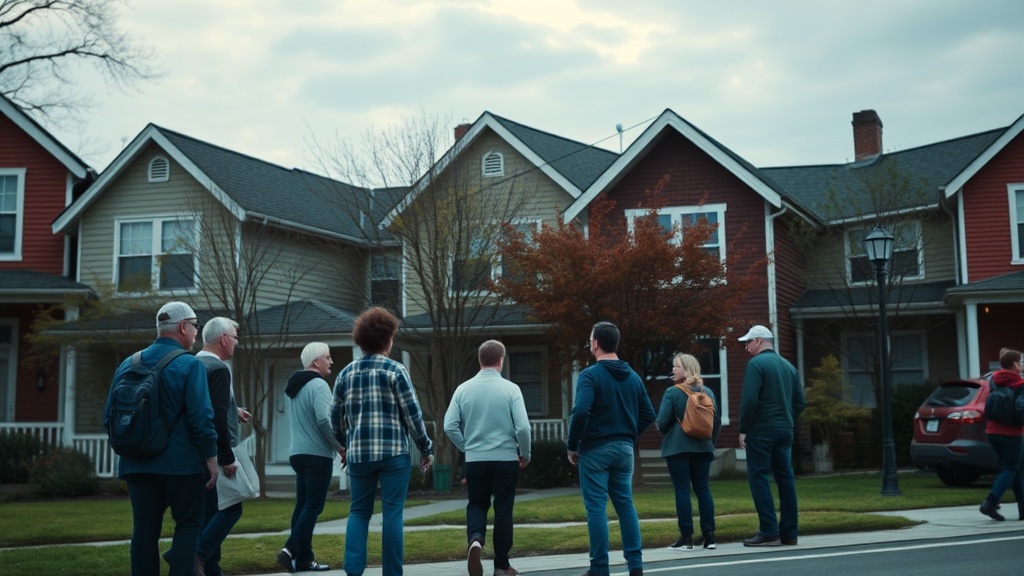
Before you print flyers or create a Facebook group, start with conversations. Not the rushed kind where you're both late for work — the real kind. Knock on doors. Introduce yourself if you don't know your neighbours (and let's be honest, many of us don't anymore). Ask what they like about the neighbourhood. Ask what drives them crazy. Take notes — yes, actual notes — because patterns will emerge.
You're looking for three things: problems people agree on, people willing to help, and quick wins that build momentum. Maybe everyone on 28th Street East is frustrated about speeding traffic. Maybe parents in the West Flat want safer routes to Connaught School. Maybe the seniors on your block need help with snow shoveling. Whatever it is, find the common thread.
Once you've had a dozen or so conversations, invite interested folks to an informal gathering — coffee at someone's kitchen table, a barbecue in a backyard, or a meetup at Kinsmen Park when the weather's decent. Keep it low-pressure. You're not launching an organization yet; you're just seeing if there's enough energy to move forward.
How Do You Keep It Simple (So People Actually Show Up)?
Here's where many neighbourhood associations die before they're born — they get too formal too fast. By-laws, Robert's Rules of Order, election of officers... it's enough to make anyone's eyes glaze over. In Prince Albert, the most effective neighbourhood groups stay lean and practical.
Start with a simple agreement: what's our purpose, who's in charge of what (for now), and how will we communicate? That's it. You don't need a constitution. You need clarity and commitment. Assign roles based on skills and interest — someone who's good with technology manages the email list or Facebook group. Someone who's connected reaches out to local businesses for support. Someone who's organized keeps track of who said they'd do what.
Communication is make-or-break. A WhatsApp group works for some blocks. Others prefer email. Some old-school neighbours might want phone calls. Respect the preferences, but don't fragment your efforts across too many channels — pick one primary method and stick with it. The City of Prince Albert's official website has resources for community groups, including contact information for the Community Services Department if you need guidance on formalizing your association later.
Set a regular meeting schedule — monthly is usually plenty — and rotate locations if possible. Meeting at the John M. Cuelenaere Public Library's community room is free and accessible. Coffee shops like Dried Flowers on Central Avenue work for smaller groups. Some associations alternate between morning and evening meetings to accommodate different schedules.
What Can You Actually Accomplish Without Money or Political Connections?
More than you think. Prince Albert neighbourhoods have tackled impressive projects with nothing but volunteer time and persistence. The East Hill Community Association, for example, has organized annual clean-up days that pull tons of garbage from vacant lots and green spaces. Groups in the West Flat have worked with the Prince Albert Police Service to address safety concerns through the Community Policing program.
Start with what's free or low-cost. Organize a block party — closed streets require a permit from the City, but it's straightforward (check the City of Prince Albert website for special event permits). Coordinate a tool-sharing program among neighbours. Set up a "Little Free Library" — the Prince Albert Literacy Network sometimes has guidance on these. Create a neighbourhood watch system using existing communication channels.
When you need resources, look local first. The Prince Albert Road Runners and other community groups often partner with neighbourhood associations for events. Local businesses — especially those with deep roots like the ones along Central Avenue or 15th Street East — frequently donate goods or services for community initiatives. Don't ask for money right away; ask for advice and involvement. Money follows commitment.
Track everything you accomplish — photos, volunteer hours, problems solved. This documentation becomes your credibility when you approach the City or apply for grants through the Prince Albert and Area Community Foundation. Councillors and administrators respond to organized groups with demonstrated follow-through.
How Do You Deal With Conflict and Apathy?
Not everyone will join. Some neighbours will be skeptical — they've seen initiatives fizzle before, or they simply don't have bandwidth. That's okay. You don't need universal participation; you need reliable core members. Focus on the willing.
Conflict, though, requires attention. Maybe there's disagreement about priorities (potholes versus flower beds). Maybe personality clashes emerge. Maybe someone dominates every conversation. Address these early and directly — but privately. Pull the person aside. Restate the group's purpose. Remind everyone that you're all on the same side: making Prince Albert's neighbourhoods better places to live.
If the association grows, establish simple ground rules: one conversation at a time, respect different viewpoints, decisions by consensus when possible. Some groups use a "parking lot" — a flip chart or document where off-topic ideas are captured for later discussion. This keeps meetings focused while honouring contributions.
Apathy is harder than conflict because it's silent. If attendance drops, don't take it personally. Reassess: are you tackling issues people care about? Are meetings too frequent? Too long? Has the group become more about process than progress? Sometimes a pause — or a pivot to a specific project — reignites interest.
When Should You Formalize — and When Should You Keep It Casual?
After a year or so of consistent activity, you'll know whether formal structure serves your group. If you're handling money (dues, grants, donations), you need a bank account, which requires some documentation. If you're signing contracts for events or insurance, you'll need legal recognition. The Saskatchewan government provides information on incorporating non-profits, though many neighbourhood associations remain unincorporated with simple internal agreements.
Talk to the Prince Albert & District Chamber of Commerce about connecting with established community organizations. They can introduce you to groups that have navigated this transition — learning from their mistakes saves you from repeating them.
But don't rush to formalize. Many of Prince Albert's most active neighbourhood groups operate informally for years, accomplishing plenty without boards, agendas, or annual reports. The form should follow function — not the other way around.
What Does Success Look Like Six Months From Now?
Success isn't a glossy brochure or a seat at the council table (though those might come). It's seeing neighbours know each other by name. It's watching someone pick up litter without being asked because "this is our street." It's having the City's attention when your group speaks because you've proven you represent real people and real concerns.
In Prince Albert, our neighbourhoods are the backbone of the community. The associations that thrive aren't the ones with the most funding or the fanciest titles — they're the ones that keep showing up. Start small. Stay practical. Celebrate every improvement, even the tiny ones. And remember: that pothole you complained about in the driveway conversation? Getting it fixed — and knowing you had a hand in it — that's the point of all this.