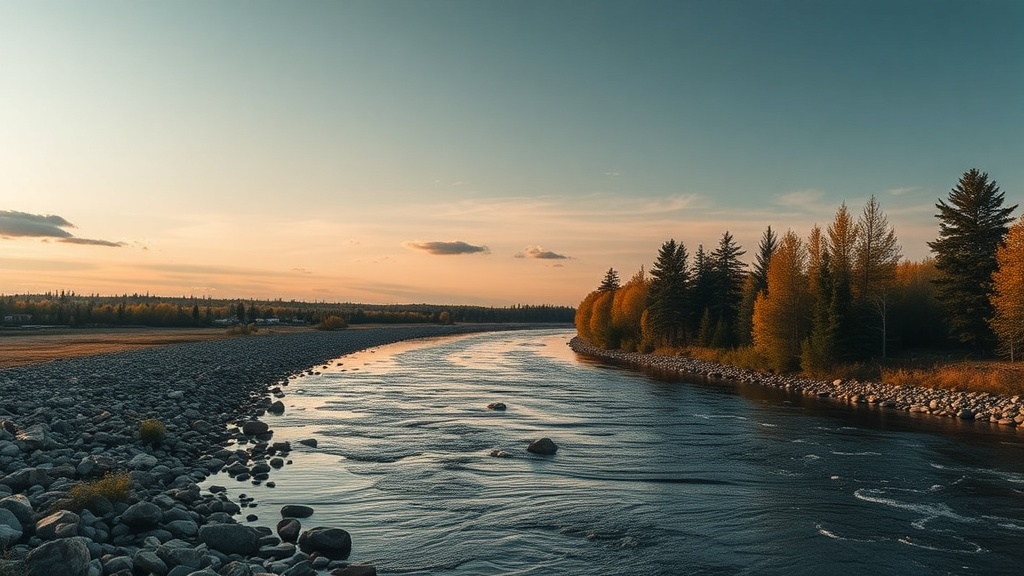
Finding Peace Along the North Saskatchewan River

Are you looking for a way to disconnect from the noise of daily life without leaving Prince Albert? This guide covers the best spots, trails, and practical tips for finding quiet along the North Saskatchewan River. You'll find specific recommendations for hiking, birdwatching, and relaxing near the water, ensuring you know exactly where to go to find some actual silence.
Where are the best quiet spots along the North Saskatchewan River?
The best quiet spots are found in the secluded pockets of the Victoria Park trail system and the more remote stretches near the Peter Ballantyne Provincial Park boundaries.
While many people flock to the main bridge areas, the real peace is found if you head slightly off the beaten path. If you want to avoid the crowds of families and joggers, aim for the riverbanks near the Victoria Park north end. The terrain is a bit more rugged there, which naturally keeps the casual crowds away. It's perfect for someone who just wants to sit on a rock and listen to the water.
For those who want something even more isolated, the stretches of riverbank near the Sifton Provincial Park area offer a much more rugged experience. You won't find many paved paths here, but the reward is a much more profound sense of isolation. It’s a different kind of experience—one that feels much more like the wild boreal forest we call home.
Here are a few specific types of spots you might enjoy:
- Riverbank Boulders: Large limestone formations that provide natural seating and great views of the current.
- Old Growth Groves: Small clusters of trees along the bank that act as natural sound barriers against the wind.
- Sandbars: Perfect for a quick dip or just setting up a folding chair (just watch out for mosquitoes).
What should I pack for a river walk in Prince Albert?
You should pack a lightweight windbreaker, high-quality insect repellent, and sturdy, waterproof footwear to handle the uneven riverbank terrain.
The weather in the Prairies is notoriously fickle. You might start a walk in the bright sun and end it in a sudden downpour. I always keep a Patagonia Torrentshell jacket in my car for exactly this reason. Even if it's a warm day, the breeze coming off the water can feel much colder than the air inland.
Don't forget the bugs. It's not a joke—the flies and mosquitoes near the North Saskatchewan can be relentless during July and August. I personally swear by OFF! Deep Woods or any repellent with a high DEET concentration if you're planning to sit still for more than ten minutes. If you're more "natural" leaning, a heavy application of citronella candle near your sitting spot helps, but it's not a guarantee.
Below is a quick checklist of gear I recommend for a successful outing:
| Item Category | Recommended Gear | Why You Need It |
|---|---|---|
| Footwear | Hiking boots or sturdy sneakers | Riverbanks are slippery and uneven. |
| Protection | Sunscreen & Bug Spray | The sun reflects off the water intensely. |
| Waterproof Layer | Lightweight rain shell | Weather changes fast in the Boreal zone. |
| Hydration | Insulated water bottle | Stay hydrated even if it feels cool. |
How can I see wildlife near the river?
You can see wildlife most easily during the "golden hours" of dawn and dusk when animals are most active and the light is easiest on your eyes.
The North Saskatchewan River is a massive corridor for local fauna. If you sit quietly near the edge of the brush, you'll likely see more than you expect. White-tailed deer are common, and if you're lucky, you might spot a moose or even a black bear (though keep a very respectful distance if you do).
Birdwatching is perhaps the most reliable way to experience the river's life. The river serves as a vital flyway for migratory birds. You'll see everything from kingfishers to various hawks. If you want to identify what you're seeing, the Cornell Lab of Ornithology offers incredible resources for bird identification, though you'll want to cross-reference with local Prairie species.
A pro tip for spotting wildlife: don't look for the animal itself; look for the movement in the brush. If a branch moves against the wind, something is likely there. It's a subtle way to engage with the environment. It's also a good way to practice patience—something most of us have lost in the digital age.
If you're interested in how the local ecology supports these species, it's worth looking into the Parks Canada website for information on regional biodiversity and conservation efforts in the northern regions. Understanding the habitat helps you respect it more.
Being outdoors isn't just about seeing things; it's about understanding the rhythm of the land. This is particularly true if you are also working on your own land. If you've been reading my other posts, you might find my tips on building a high-yield garden in the boreal transition zone useful for understanding the soil and plant life that thrives in this specific microclimate.
One thing to remember: the river is a living, changing entity. The water levels can shift significantly after a heavy rain or a fast melt in the spring. Always check the local water levels if you plan on walking near the immediate edge of the banks. It's not uncommon for the river to rise much faster than you'd expect.
The best way to experience the North Saskatchewan is to go with zero expectations. Don't go looking for a "perfect" moment. Just go. Sit. Listen. The peace usually finds you when you stop searching for it.