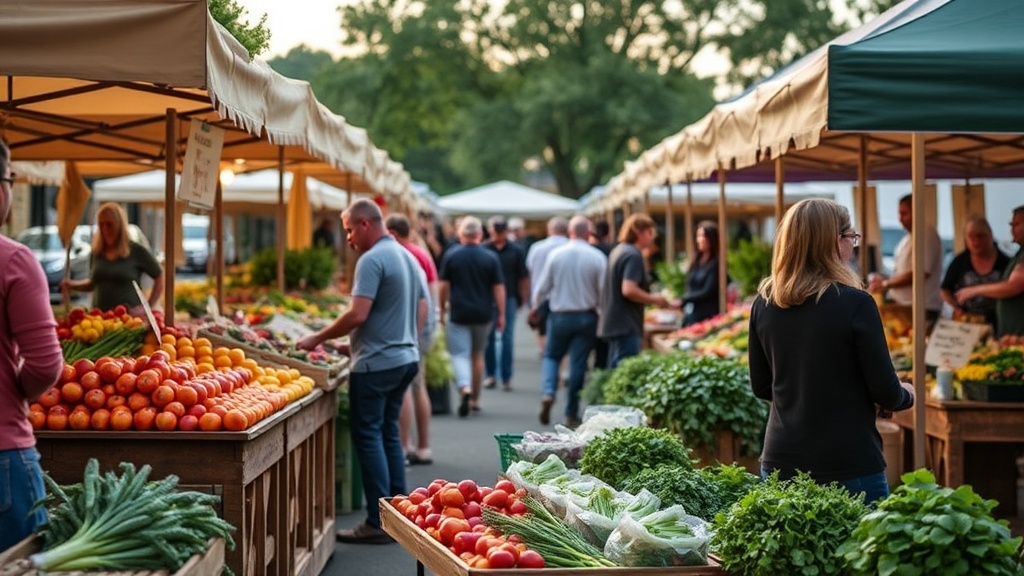
Getting the Most Out of Your Saturday Morning at the PA Farmers Market

Are you tired of arriving at the Prince Albert Farmers' Market only to find your favorite seasonal items are already sold out?
This guide explains how to time your arrival, what to bring, and how to shop the specific vendors we have here in Prince Albert to ensure you get the freshest local produce and handmade goods. It's about more than just buying a bag of carrots; it's about mastering the rhythm of the market so you aren't left empty-handed. We'll look at the best times to visit, what to pack in your vehicle, and how to handle the unpredictable Saskatchewan weather.
The Prince Albert Farmers' Market is a staple for our community, but if you don't have a plan, you'll spend more time circling the parking lot than actually shopping. Most people show up around 10:00 AM, but that is often too late for the real gems.
What is the best time to arrive at the Prince Albert Farmers' Market?
The best time to arrive is between 9:00 AM and 10:00 AM to secure the widest variety of fresh produce and the most popular handmade goods. While the market stays open later, the high-demand items—like certain berry varieties or specific artisan breads—often vanish before noon.
If you're a late sleeper, you might still get some great deals, but you're playing a game of chance. Many local farmers bring their best crops from the Canadian agricultural sector right at the start of the season. If you arrive early, you get the pick of the litter. Plus, the parking situation is significantly easier when the crowds haven't fully descended upon the downtown area yet.
Here is a quick breakdown of what to expect at different times:
| Time of Arrival | Expected Experience | Best For... |
|---|---|---|
| 9:00 AM - 10:00 AM | Quiet, easy parking, full inventory | High-demand produce, specialty items |
| 10:00 AM - 11:30 AM | Bustling, social, moderate crowds | Socializing, grabbing a coffee, general shopping |
| 12:00 PM - Close | Lower inventory, potential leftovers | Last-minute deals, low-stress browsing |
I've personally seen people wander in at noon and wonder why the local honey and fresh sourdough are gone. It happens more than you'd think.
What should I bring to the market?
You should bring reusable bags, a sturdy canvas tote, and a small amount of cash for vendors who may have limited digital payment options. While many modern vendors now accept credit or debit, some of our smaller, more traditional local producers still prefer cash transactions.
Don't forget a cooler or an insulated bag. Even in the middle of a beautiful Saskatchewan spring, your perishables shouldn't sit in a warm car while you run other errands. If you're buying much more than a few items, a small wagon is a lifesaver. Carrying three heavy bags of potatoes and a jar of preserves while walking through the crowds is a recipe for a sore back.
A few things to keep in mind:
- Insulated Bags: Great for keeping dairy or meat-based products at a safe temperature.
- Reusable Totes: Better for the environment and much stronger than thin plastic bags.
- Cash: Always carry a $10 or $20 bill just in case.
- A Reusable Water Bottle: It's easy to get thirsty while walking the stalls.
It’s also worth noting that if you're planning on buying heavy items like root vegetables or large jugs of local juice, you might want to bring a folding cart. It makes the trek back to your car much more manageable.
How do I find the best local produce?
Look for vendors who are actually growing their own crops on-site or in the surrounding Prince Albert area rather than just reselling products. You want to look for the "Producer" designation to ensure you are getting truly local goods.
The quality of produce in our region is highly dependent on the season. In the early summer, you'll see a surge in greens and berries. As we move toward late summer, the heavy hitters like squash and potatoes take center stage. If you're interested in the science of how our local soil works, you might find interest in building a high-yield garden in our specific Boreal Transition Zone, which helps explain why certain crops thrive here more than others.
When you're inspecting produce, don't be afraid to look closely. A slightly bruised apple is fine, but you want to ensure your berries aren't sitting in a pool of juice at the bottom of a container. Freshness is everything. If the greens look wilted, they've likely been out of the ground and in the heat for too long.
Here's a quick tip: talk to the vendors. Ask them what's in season right now. They are the real experts. They'll tell you exactly what was harvested this morning. This kind of direct communication is why local shopping is so much more rewarding than hitting a big-box grocery store.
How much does a typical market trip cost?
A typical market trip for a single household's weekly produce and bread usually ranges from $30 to $60, depending on the season and your specific needs. Prices vary wildly depending on whether you are buying basic staples like potatoes or high-end artisanal goods like small-batch jams.
If you're on a strict budget, I suggest focusing on the "staple" vendors first. These are the folks selling the high-volume, lower-cost items like onions, potatoes, and carrots. Save the luxury items—like the fancy aged cheeses or the hand-poured candles—for a treat. It's easy to blow $100 without even realizing it if you're picking up everything that looks delicious.
One way to keep costs down is to follow a list. It sounds boring, but it works. If you go in without a plan, you'll end up with three different types of artisanal honey and zero onions for your dinner. We've all been there.
The value of the market isn't just in the price of the goods, but in the quality. You're paying for food that hasn't spent two weeks in a shipping container. That's a trade-off worth making.
One thing to remember is that local food is an investment in our community. When you buy from a vendor in Prince Albert, that money stays right here. It helps a local family pay their mortgage or invest in more seeds for next year. It's a small circle of support that keeps our local economy moving.
If you find yourself needing to decompress after a busy week of shopping, you might enjoy finding peace along the North Saskatchewan River. It's a great way to enjoy the fresh air you just bought your veggies in.
Don't forget to check the weather before you head out. If the forecast calls for a sudden Saskatchewan downpour, make sure you have an umbrella or a sturdy raincoat. Most of the market is outdoors or semi-covered, so a little rain won't stop the fun, but you'll be glad you're prepared.
Steps
- 1
Arrive Early for the Best Selection
- 2
Bring Your Own Reusable Bags
- 3
Carry Cash for Small Vendors
- 4
Ask About Seasonal Availability